
Leadership in team dynamics is a fascinating subject that plays a crucial role in how teams operate and succeed. Effective leadership not only shapes team culture but also drives performance, creativity, and collaboration. With varying leadership styles influencing team morale and productivity, understanding these dynamics can lead to significant improvements in team outcomes.
As we dive deeper into this topic, we will explore how different leadership approaches can affect team dynamics, the importance of fostering innovation, and the unique challenges that leaders face in diverse and international settings. Whether you’re a seasoned leader or aspiring to take on a leadership role, grasping these concepts is vital for navigating the complexities of team interactions.
Understanding Leadership in Team Dynamics
Leadership is a crucial component in determining the dynamics of any team. Effective leaders can inspire their team members, set clear goals, and foster an environment where collaboration thrives. The way a leader interacts with their team can influence motivation, engagement, and overall team performance.
Role of Leadership in Shaping Team Dynamics
Leaders play an essential role in establishing the culture and atmosphere of a team. They set the tone for how team members interact, communicate, and collaborate. This involves encouraging open dialogue, promoting trust, and ensuring that all voices are heard. When leaders demonstrate strong communication skills and emotional intelligence, they create a supportive environment that empowers team members to contribute effectively.
Impact of Leadership Styles on Team Performance
Different leadership styles can have varying effects on team performance. For instance, a transformational leader who inspires and motivates can enhance creativity and innovation within the team. Conversely, an autocratic leader may lead to quicker decision-making but can stifle creativity and diminish morale. Understanding the implications of various leadership styles is essential for leaders aiming to optimize their teams’ performance.
Key Characteristics of Effective Team Leaders
Effective team leaders possess several key characteristics that enable them to guide their teams successfully. These include:
- Empathy: Understanding team members’ perspectives enhances connection and trust.
- Vision: A clear vision helps align the team’s efforts towards common goals.
- Adaptability: The ability to adjust strategies in response to changing conditions is vital.
- Decisiveness: Effective leaders make informed decisions promptly to maintain momentum.
- Integrity: Being honest and transparent builds credibility and respect among team members.
Business Innovation and Leadership
Leadership is a key driver of innovation in business settings. A culture of innovation begins with leaders who encourage creativity and are open to new ideas. This section will delve into how effective leaders can nurture an innovative environment.
Fostering a Culture of Innovation within Teams
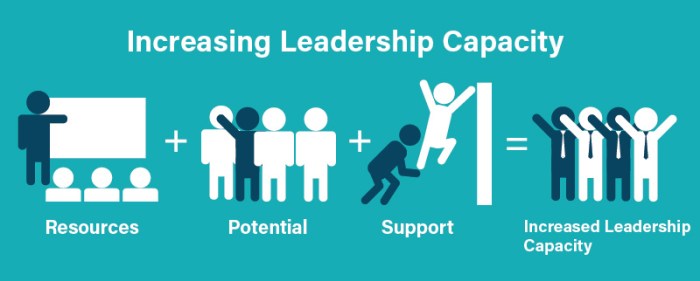
Leaders can foster innovation by creating a safe space for experimentation where team members feel comfortable sharing ideas without fear of failure. This involves encouraging risk-taking, recognizing and rewarding innovative efforts, and facilitating brainstorming sessions. By doing so, leaders can ignite the creative potential within their teams.
Innovative Leadership Strategies for Team Collaboration
Innovative leadership strategies enhance team collaboration significantly. For example, implementing cross-functional teams allows for diverse perspectives and expertise to come together to solve complex problems. Additionally, utilizing technology to facilitate remote collaboration can help teams remain connected and productive regardless of physical location.
Encouraging Creative Problem-Solving
Leadership methods that encourage creative problem-solving include:
- Workshops: Hosting workshops focused on creative thinking techniques.
- Collaborative Projects: Assigning projects that require teamwork and out-of-the-box thinking.
- Feedback Loops: Establishing regular feedback sessions to discuss challenges and solutions.
International Business and Team Leadership
The landscape of international business introduces unique leadership challenges. Leaders must navigate cultural differences, communication barriers, and diverse team dynamics. This section will explore what makes leading international teams distinct.
Challenges Faced in International Teams
Leaders managing international teams face challenges such as varying communication styles, differing cultural norms, and time zone differences. These factors can impact team cohesion and effectiveness. Understanding these challenges is crucial for leaders to bridge gaps and foster an inclusive team environment.
Importance of Cultural Competence in Team Leadership
Cultural competence is vital for leaders of international teams. It enables leaders to understand and respect cultural differences, promoting inclusivity and collaboration among team members. Leaders who exhibit cultural awareness can help minimize misunderstandings and facilitate smoother interactions.
Effective Communication Strategies for Leading Diverse Teams
Communication is key in diverse teams. Leaders can enhance communication through:
- Regular Updates: Keeping all team members informed about goals and progress.
- Inclusive Language: Using language that is accessible to all team members, regardless of their background.
- Active Listening: Demonstrating genuine interest in team members’ contributions fosters an open dialogue.
Final Wrap-Up
In summary, understanding the nuances of leadership in team dynamics is essential for fostering a productive and innovative team environment. By recognizing the impact of various leadership styles and embracing effective communication strategies, leaders can create a culture that not only enhances collaboration but also drives success. As we move forward, empowering teams through strong leadership will continue to be a key focus for achieving organizational goals.
FAQ Summary
What are the key characteristics of effective team leaders?
Effective team leaders typically demonstrate strong communication skills, emotional intelligence, adaptability, and the ability to inspire and motivate their team members.
How can leadership styles impact team performance?
Different leadership styles, such as transformational or transactional, can significantly influence team motivation, engagement, and overall performance, tailoring to the needs of the team.
What role does cultural competence play in team leadership?
Cultural competence allows leaders to navigate diversity within teams effectively, fostering inclusivity and enhancing team collaboration across different backgrounds.
How can leaders encourage innovation within their teams?
Leaders can encourage innovation by creating a safe environment for idea-sharing, promoting collaborative brainstorming sessions, and recognizing creative contributions from team members.
What strategies can leaders use to enhance communication in teams?
Leaders can enhance communication by establishing clear channels for feedback, actively listening to team members, and promoting open dialogues to address any concerns or ideas.


