
Microlearning for sales is revolutionizing the way sales professionals acquire new skills and knowledge. In a fast-paced business environment, where time is of the essence, microlearning offers a streamlined approach to training that is effective and engaging. This innovative method focuses on delivering content in small, easily digestible formats that cater to the busy schedules of sales teams, ensuring they can learn on the go.
By adopting microlearning techniques, organizations can enhance sales techniques, improve employee performance, and foster a culture of continuous learning. This approach not only helps sales teams stay updated with the latest sales strategies but also allows for quick adaptation to changes in market dynamics or customer needs. The flexibility of microlearning formats—such as videos, quizzes, and bite-sized articles—makes it an ideal solution for modern sales training.
Microlearning Concepts
Microlearning is a modern approach to training that focuses on delivering content in small, manageable segments. This technique is particularly relevant for sales training, where team members need to quickly grasp new skills and techniques to remain competitive. The bite-sized nature of microlearning allows sales professionals to learn at their own pace, enabling them to absorb information effectively and apply it immediately in their interactions with clients.The principles of microlearning revolve around brevity, relevance, and accessibility.
By providing short, focused learning experiences, sales professionals can quickly engage with the material and retain crucial information. The benefits of microlearning for enhancing sales techniques include improved retention rates, increased engagement, and the ability to address specific skill gaps on demand.
Formats of Microlearning Content
Sales teams can benefit from various formats of microlearning content, each tailored to different learning needs and preferences. Common formats include:
- Short Videos: Engaging visual content that illustrates sales techniques or product features.
- Infographics: Visual representations of data or processes that simplify complex information.
- Quizzes: Interactive assessments to reinforce knowledge and identify areas for improvement.
- Podcasts: Audio content that sales professionals can listen to while commuting or during breaks.
Microlearning Implementation in Sales
Designing a microlearning program specifically for sales professionals involves several key steps. First, it is essential to assess the current training needs of the sales team and identify which skills require immediate attention. This assessment will guide the content creation process, ensuring that the program addresses the most relevant topics.Integrating microlearning into existing sales training protocols can enhance the overall effectiveness of the training program.
By seamlessly incorporating bite-sized learning modules into regular training sessions, organizations can create a more dynamic learning environment that encourages continuous improvement.
Measuring Effectiveness
To ensure the success of a microlearning initiative, it is vital to establish a plan for measuring its effectiveness. Possible metrics include:
- Engagement Rates: Track how often sales professionals interact with the microlearning content.
- Knowledge Retention: Use quizzes or assessments to evaluate the understanding of key concepts.
- Performance Metrics: Measure changes in sales performance before and after implementing microlearning.
Business Innovation Through Microlearning
Microlearning can significantly foster innovation in sales strategies by encouraging a culture of continuous learning and adaptability. For instance, companies that employ microlearning have reported quicker implementation of new sales techniques in response to market changes. This dynamic approach allows sales teams to refine their strategies regularly based on real-time customer feedback and emerging trends.The role of microlearning in adapting to market changes is crucial, as it enables sales professionals to stay informed about new product launches and industry shifts without overwhelming them with excessive information.
Companies can also integrate microlearning with other innovative business practices, such as agile methodologies, to enhance overall responsiveness.
Examples of Innovation
Practical examples of how microlearning has driven innovation in sales include:
- Case Studies: Highlighting successful adaptations of sales techniques that have led to increased revenue.
- Continuous Feedback Loops: Utilizing real-time customer feedback to update training content regularly.
- Cross-Functional Collaboration: Encouraging knowledge sharing between sales and marketing to refine strategies.
International Business and Microlearning
The effectiveness of microlearning can vary across different cultural contexts, particularly within international sales teams. Understanding cultural differences is key to developing a microlearning program that resonates with diverse audiences. For instance, certain cultures may prefer more collaborative learning environments, while others may value individual study.Microlearning can support global sales strategies by providing localized content that accounts for regional preferences and selling techniques.
This targeted approach ensures that all team members, regardless of location, have access to the same quality of training.
Challenges in Implementation
While implementing microlearning across international borders can be beneficial, several challenges can arise:
- Language Barriers: Ensuring that content is accurately translated and culturally relevant.
- Technological Access: Addressing discrepancies in technology access and usage among global teams.
- Regulatory Compliance: Adapting training materials to meet local legal and regulatory standards.
Business Management and Microlearning
There is a strong relationship between effective business management and the success of microlearning initiatives. Management plays a pivotal role in fostering an environment that supports continuous learning, which is essential for sales teams to thrive. By prioritizing microlearning, managers can drive higher engagement and performance among team members.To encourage continuous learning through microlearning, managers can create a framework that includes:
- Regular Check-Ins: Scheduling time to discuss learning progress and areas for improvement.
- Incentives: Offering rewards for completing microlearning modules or achieving specific learning outcomes.
- Feedback Mechanisms: Establishing channels for team members to provide input on the training content and process.
Marketing Direct and Microlearning
Microlearning can significantly enhance direct marketing efforts by improving the sales skills of team members. When sales professionals are equipped with the right knowledge and techniques, they can engage more effectively with potential customers. The synergy between sales training and marketing strategies is facilitated by microlearning, allowing for a more cohesive approach to direct marketing efforts. Key marketing concepts that can be taught through microlearning techniques include:
- Target Audience Identification: Understanding customer demographics and preferences.
- Value Proposition Development: Crafting compelling messages that resonate with potential buyers.
- Brand Messaging: Training on consistent brand communication across different channels.
Business Networking and Microlearning
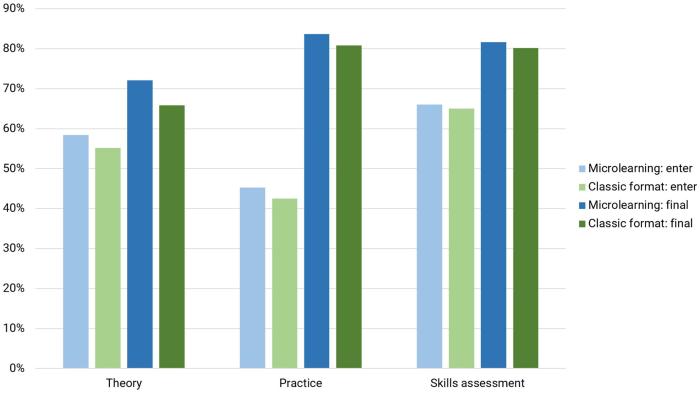
Improving networking skills is essential for sales professionals, and microlearning can be utilized effectively to achieve this goal. By incorporating bite-sized learning modules focused on networking techniques, sales teams can enhance their ability to build and maintain business relationships.Methods for integrating microlearning into networking events or workshops can include:
- Pre-Event Training: Providing short modules on networking best practices before events.
- Post-Event Reflections: Encouraging participants to share their experiences and insights after networking activities.
- Peer Learning: Facilitating small group discussions to practice networking skills in a supportive environment.
Sales Management Strategies
Microlearning is a valuable tool for enhancing sales management techniques. Managers can leverage small learning modules to address common challenges faced by sales teams, ensuring that they are well-equipped to lead effectively.A list of microlearning modules that address these challenges may include:
- Coaching Techniques: Best practices for providing feedback and support to sales team members.
- Performance Metrics: Understanding key performance indicators and how to interpret them.
- Conflict Resolution: Strategies for managing team dynamics and resolving issues.
Sales Training Methodologies
Various sales training methodologies can be adapted for microlearning, making it a versatile approach to skill development. By blending traditional sales training with microlearning, organizations can create a comprehensive learning experience.Content for specific microlearning modules targeting sales skills may include:
- Consultative Selling: Techniques for understanding and addressing customer needs.
- Negotiation Skills: Strategies for effective negotiation and closing deals.
- Objection Handling: How to respond to common customer objections effectively.
Workplace Communication and Microlearning
Effective communication is critical in sales, and microlearning can greatly improve communication skills among team members. By providing focused training on communication techniques, sales professionals can enhance their interactions with clients and colleagues.A microlearning module focused on communication skills for sales teams may cover:
- Active Listening: Techniques to improve understanding and rapport with clients.
- Persuasive Communication: Crafting messages that influence and engage customers.
- Feedback Techniques: Best practices for giving and receiving constructive feedback.
The impact of microlearning on internal communication within sales departments can foster a more collaborative culture, improving overall team performance.
Outcome Summary
In conclusion, microlearning for sales presents an effective strategy for enhancing sales performance through targeted, efficient training methods. As businesses continue to evolve, leveraging microlearning can drive innovation and adaptability among sales teams. Embracing this approach not only helps in developing essential skills but also creates a more agile and responsive sales force ready to tackle new challenges and opportunities in the marketplace.
FAQs
What is microlearning?
Microlearning is a training method that delivers content in small, focused segments, allowing learners to grasp concepts quickly and efficiently.
How does microlearning benefit sales teams?
It enhances sales techniques, improves retention of information, and allows for just-in-time learning, which is crucial for busy sales professionals.
Can microlearning be integrated into existing training programs?
Yes, microlearning can be easily incorporated into traditional sales training programs, complementing existing methodologies.
What types of content are suitable for microlearning in sales?
Formats like short videos, infographics, quizzes, and interactive modules work well for delivering microlearning content to sales teams.
How can the effectiveness of microlearning be measured?
Effectiveness can be assessed through metrics such as engagement rates, knowledge retention tests, and improvements in sales performance.


