
Mobile apps for business have revolutionized how companies operate, offering innovative solutions that improve efficiency and customer engagement. As the digital landscape evolves, businesses are increasingly leveraging mobile technologies to stay competitive and meet the demands of their customers.
These applications not only streamline operations but also provide unique opportunities for enhancing communication, marketing strategies, and overall productivity. By integrating mobile apps into their core processes, businesses can unlock new levels of innovation and engagement, driving growth and success in a fast-paced market.
Mobile Apps in Business
Mobile applications play a pivotal role in enhancing business operations by streamlining processes, improving communication, and elevating customer experiences. In a world where speed and efficiency are paramount, businesses have increasingly turned to mobile apps to gain a competitive edge and cater to the evolving needs of their customers.Successful examples include apps like Shopify, which allows businesses to create their online stores easily, and Square, which enables mobile payment processing seamlessly.
These apps not only enhance operational efficiency but also provide valuable insights into customer behavior and preferences.
Impact on Customer Engagement and Retention
Mobile apps significantly impact customer engagement and retention by offering personalized experiences and convenient access to services. By utilizing push notifications, businesses can keep customers informed about promotions and updates, fostering a sense of connection and loyalty.
- Apps facilitate direct communication, leading to quicker responses and improved customer service.
- Incorporating loyalty programs within apps encourages repeat purchases and boosts customer satisfaction.
- Mobile apps provide an avenue for gathering feedback, allowing businesses to adapt and improve based on user input.
Business Innovation through Mobile Technology
Mobile technology has become a catalyst for innovation within businesses, enabling them to explore new avenues and streamline existing processes. Companies are increasingly integrating mobile solutions to enhance their operations and drive growth.Case studies, such as Domino’s Pizza, illustrate how implementing mobile technology revolutionized order placement and tracking, resulting in a significant increase in sales and customer satisfaction. Another example is GE, which uses mobile applications to monitor and manage industrial equipment in real-time, leading to improved operational efficiency.
Incorporating Mobile Technology into Business Models
To successfully integrate mobile technology into business models, companies should adopt strategic approaches. Here are some effective strategies:
- Conduct thorough market research to understand customer needs and preferences.
- Utilize agile development methods to create and iterate mobile solutions quickly.
- Invest in training employees to maximize the potential of mobile tools and platforms.
International Business and Mobile Apps
Mobile apps are essential for expanding international business operations, allowing companies to reach global markets and engage with customers worldwide. As mobile technology penetrates various regions, businesses can leverage apps to tailor their strategies to local preferences and behaviors.Trends in mobile app usage vary across countries, with regions like Asia and Africa experiencing rapid growth due to increased smartphone adoption.
Businesses need to stay informed about these trends to optimize their strategies effectively.
Localization Strategies for Mobile Apps
To succeed in international markets, businesses must implement effective localization strategies for their mobile apps. This includes:
- Translating content into the local language while considering cultural nuances.
- Adapting user interfaces to meet local design preferences and usability standards.
- Ensuring compliance with regional regulations and standards for data protection and privacy.
Mobile Apps and Business Interviews
Mobile apps can be invaluable tools for preparing for business interviews, enabling candidates to research companies, practice responses, and manage their schedules effectively. Insights into the interview process can be enhanced through apps that provide tips, mock interviews, and industry-related resources, ensuring candidates are well-prepared and confident.
Facilitating the Interview Process
Using mobile applications during the interview process streamlines communication between candidates and employers. Key benefits include:
- Scheduling interviews seamlessly through calendar integration and reminders.
- Providing platforms for video interviews, making remote hiring more accessible.
- Allowing candidates to track their applications and receive updates in real-time.
Job Search Techniques Utilizing Mobile Apps
The job search process has been transformed by mobile applications, offering job seekers convenient ways to find opportunities and apply for positions. A well-structured guide to the best mobile apps for job searching includes platforms like LinkedIn, Indeed, and Glassdoor, which provide extensive job listings and networking opportunities.
Effective Features for Job Seekers
Certain features make specific mobile apps particularly effective for job seekers:
- Real-time job alerts that notify users of new listings that match their criteria.
- Profile-building tools that help candidates showcase their skills and experiences effectively.
- Networking capabilities that connect users with professionals in their desired industries.
Business Management with Mobile Solutions
Mobile apps can greatly streamline business management tasks, enabling teams to collaborate, track projects, and manage resources efficiently. Essential mobile apps for project management include Trello, Asana, and Slack, which facilitate team communication and task organization.
Benefits of Real-Time Data Access
The access to real-time data through mobile management apps offers numerous advantages:
- Enhanced decision-making based on up-to-date information and analytics.
- Increased productivity as team members can access data from anywhere at any time.
- Improved accountability and transparency within teams through shared access to project status.
Marketing Direct through Mobile Apps
Mobile marketing strategies are essential for reaching customers directly and effectively. Businesses can utilize mobile apps to engage with customers and promote products or services.Successful mobile marketing campaigns often leverage personalized promotions and advertisements based on user data, enhancing customer engagement.
Analyzing Customer Data for Targeted Marketing
Analyzing customer data from mobile apps is crucial for creating targeted marketing strategies. Key techniques include:
- Tracking user behavior to identify preferences and trends.
- Utilizing segmentation to tailor marketing efforts to specific customer groups.
- Implementing A/B testing to refine marketing messages and maximize effectiveness.
Business Networking and Mobile Applications
Mobile apps have transformed the way professionals network, providing platforms for seamless interaction and connection. Popular networking apps like Bumble Bizz and Shapr offer unique features that facilitate meaningful connections among industry peers.
Effective Techniques for Networking Events
To maximize networking opportunities through mobile apps, professionals should consider:
- Utilizing event-specific apps to connect with other attendees before and during events.
- Engaging with contacts through app features like messaging and profile sharing.
- Following up post-event to maintain connections and foster relationships.
Business Outsourcing with Mobile Technology
Mobile apps play a significant role in managing outsourced tasks, allowing businesses to collaborate effectively with external teams.Platforms like Upwork and Fiverr provide businesses with access to a global talent pool, streamlining the outsourcing process.
Pros and Cons of Utilizing Mobile Apps for Outsourcing
Understanding the advantages and disadvantages of using mobile apps for outsourcing is essential:
- Pros: Enhanced flexibility, access to diverse skills, and cost-effectiveness.
- Cons: Potential communication barriers and challenges in managing remote teams.
Business Presentations and Mobile Solutions
Mobile apps offer a variety of tools for enhancing business presentations, enabling professionals to create engaging content on the go.Applications like Prezi and Microsoft PowerPoint provide features that allow users to design visually appealing presentations and share them seamlessly.
Creating Engaging Presentations Using Mobile Technology
To create captivating presentations, consider the following tips:
- Incorporate multimedia elements, such as videos and images, to engage the audience.
- Utilize templates and design tools offered by mobile apps to maintain a professional look.
- Practice delivering the presentation using mobile devices to enhance familiarity with the content.
Increasing Business Productivity with Mobile Apps
Mobile apps can significantly enhance productivity in the workplace, providing tools that facilitate task management and time tracking.Identifying mobile apps that boost productivity, such as Todoist and Evernote, is essential for maximizing efficiency.
Integrating Mobile Apps into Daily Business Operations
To effectively integrate mobile apps into daily operations, businesses should:
- Encourage employees to adopt specific apps that align with their tasks.
- Provide training sessions to familiarize teams with app functionalities.
- Monitor productivity metrics to evaluate the impact of app usage on performance.
Mobile Apps in the Restaurant Industry
Mobile apps have revolutionized customer service in restaurants, enhancing the dining experience and streamlining operations.Technologies such as mobile ordering and delivery apps have transformed how customers interact with restaurants, allowing for a more convenient and personalized service.
Advantages of Mobile Ordering and Delivery Apps
The benefits of mobile ordering and delivery apps for restaurants include:
- Increased order accuracy, reducing the potential for errors in orders.
- Enhanced customer satisfaction through convenient ordering and payment options.
- Improved operational efficiency by reducing wait times and optimizing kitchen workflows.
Resumes and Cover Letters via Mobile Apps
Creating resumes and cover letters using mobile apps has become increasingly popular among job seekers. Best practices for using these apps include ensuring that documents are clear, concise, and tailored to specific job applications.
Popular Resume-Building Apps and Their Features
Some popular resume-building apps include:
- Canva: Offers customizable templates and design tools for visually appealing resumes.
- Resume.com: Provides a user-friendly interface for quickly creating professional documents.
- LinkedIn: Allows users to export their profiles as resumes, ensuring they highlight relevant experiences.
Business Retail and Mobile Technology
Mobile apps are reshaping the retail landscape by offering innovative solutions that enhance customer engagement and streamline inventory management.Retailers like Walmart and Target have successfully integrated mobile technology to improve customer interactions and optimize their operations.
Tools for Managing Inventory Through Mobile Apps
Effective tools and strategies for managing inventory through mobile apps include:
- Utilizing barcode scanning for real-time inventory tracking and management.
- Implementing mobile point-of-sale systems for efficient customer transactions.
- Analyzing sales data through apps to forecast inventory needs accurately.
Risk Management with Mobile Applications
Mobile apps assist businesses in assessing and managing risks effectively, providing tools for monitoring processes and mitigating potential issues.Industries such as construction and healthcare rely on mobile risk management apps to ensure safety and compliance.
Strategies for Monitoring and Mitigating Risks
Implementing effective risk management strategies through mobile technology involves:
- Regularly updating risk assessment protocols using mobile applications.
- Training employees on risk management procedures via mobile learning platforms.
- Utilizing analytics to identify and address emerging risks proactively.
Mobile Apps in Business Sales
The benefits of using mobile apps for sales tracking and management are substantial, allowing businesses to streamline their sales processes and enhance customer relationships.Apps like Salesforce and HubSpot provide valuable insights and tools for sales teams to operate effectively.
Methods for Enhancing Customer Relationship Management
To improve customer relationship management through mobile solutions, businesses should:
- Implement mobile CRM tools that allow sales teams to access customer data in real time.
- Use mobile apps to track customer interactions and purchase history for personalized service.
- Leverage analytics to identify trends and tailor marketing efforts accordingly.
Sales Management and Mobile Technology
Mobile apps streamline sales management processes, offering tools that enhance communication and organization among sales teams.Identifying key features in sales management apps is essential for selecting the right solutions for your business.
Role of Mobile Analytics in Sales Performance
Mobile analytics plays a crucial role in improving sales performance by:
- Providing insights into sales trends and customer behaviors.
- Enabling real-time reporting to assess and adjust sales strategies promptly.
- Facilitating performance tracking for individual sales representatives.
Sales Teleselling and Mobile Applications
Mobile apps provide various tools that enhance teleselling efforts, facilitating effective communication and engagement with potential customers.Training telesales teams using mobile technology can lead to improved performance and increased success rates.
Impact of Mobile Apps on Teleselling Success Rates
The impact of mobile apps on teleselling success can be seen in several ways, including:
- Providing instant access to customer information during calls, leading to more personalized interactions.
- Allowing for efficient follow-ups through task management features.
- Enabling tracking of calls and outcomes within the app for better performance analysis.
Sales Training through Mobile Solutions
Mobile apps designed for sales training and skill development offer sales professionals the flexibility to learn on the go.Advantages of on-the-go training include accessibility and the ability to engage with content in various formats.
Creating Engaging Training Content Through Mobile Platforms
To create engaging training content, consider the following strategies:
- Incorporate interactive elements such as quizzes and simulations to reinforce learning.
- Utilize video content to provide real-world examples and best practices.
- Encourage collaborative learning through discussion forums and group projects within the app.
Business Security and Mobile Applications
Ensuring mobile security is paramount for business operations, especially as companies increasingly rely on mobile solutions.Identifying mobile apps that provide robust security features is essential in protecting sensitive data and maintaining compliance.
Best Practices for Ensuring Data Security
Adopting best practices for data security in mobile applications includes:
- Implementing strong password policies and two-factor authentication.
- Regularly updating apps to address security vulnerabilities.
- Conducting thorough testing and audits of mobile applications to ensure compliance with security standards.
Small Business and Mobile Apps
Small businesses can significantly benefit from utilizing mobile apps, allowing them to compete with larger companies effectively.Examples of mobile app solutions tailored for small business needs include Square for payment processing and Mailchimp for marketing automation.
Choosing Affordable Mobile App Solutions for Startups
To choose affordable mobile app solutions, small businesses should:
- Assess their specific needs and prioritize essential features over extensive functionalities.
- Explore free or low-cost options that provide scalability as the business grows.
- Consider trial periods to test the usability and effectiveness of various apps before committing.
Solo Professionals and Mobile Technology
Solo professionals can leverage mobile apps to enhance their efficiency and streamline their workflows.Apps designed for freelancers and independent contractors, such as Toggl for time tracking and FreshBooks for invoicing, can significantly improve productivity.
Managing Time and Projects Using Mobile Technology
Strategies for managing time and projects through mobile technology include:
- Utilizing task management apps to prioritize and track daily activities effectively.
- Setting reminders and deadlines within apps to stay on schedule.
- Employing collaboration tools to communicate with clients and collaborators seamlessly.
Strategic Planning with Mobile Applications
Mobile apps can aid in strategic business planning by providing tools for data analysis and collaboration.Frameworks for using mobile tools in strategic decision-making help businesses stay agile and responsive to market changes.
Case Studies of Successful Strategic Planning
Successful case studies of strategic planning facilitated by mobile apps illustrate their effectiveness:
- Companies utilizing mobile data analytics to identify market trends and adjust their strategies accordingly.
- Businesses adopting mobile collaboration tools to engage teams in the planning process and gather diverse input.
- Organizations using project management apps to track progress and ensure alignment with strategic goals.
Team Building with Mobile Solutions
Mobile apps enhance team collaboration and communication, fostering stronger relationships among team members.Identifying mobile tools that facilitate team-building activities is essential for creating a cohesive work environment.
Integrating Mobile Solutions into Team Dynamics
To integrate mobile solutions into team dynamics effectively, consider:
- Utilizing apps that promote team engagement and communication, such as Slack or Microsoft Teams.
- Incorporating team-building exercises through mobile platforms to foster collaboration.
- Encouraging feedback and open communication within apps to improve team dynamics.
Venture Capital and Mobile Apps
Mobile technology significantly influences venture capital investments, with investors increasingly looking at mobile app startups for potential growth.Understanding trends in mobile app funding and success stories helps businesses position themselves effectively in the market.
Key Metrics Investors Look for in Mobile App Startups
Investors consider various metrics when evaluating mobile app startups, including:
- User acquisition costs and growth metrics indicating market demand.
- Customer retention rates showcasing the app’s value to users.
- Revenue models and projections that demonstrate sustainability and profitability.
Workplace Communication via Mobile Apps
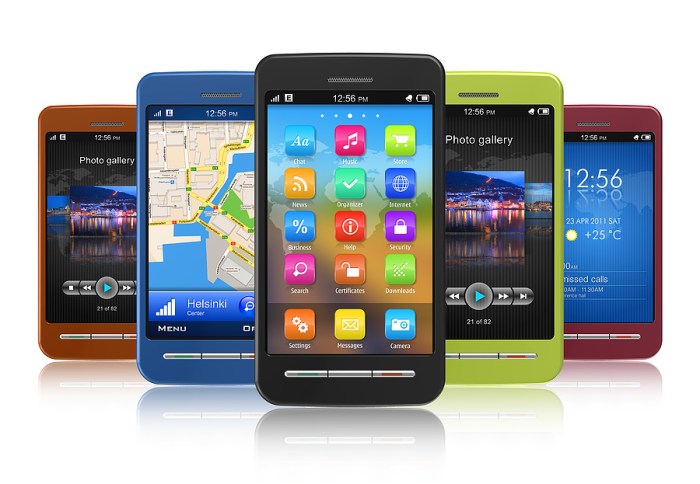
Mobile apps enhance workplace communication by facilitating seamless interaction among team members.The impact of mobile communication tools on team dynamics is profound, promoting collaboration and quick decision-making.
Best Practices for Using Mobile Apps in Workplace Communication
To maximize the effectiveness of mobile apps in workplace communication, businesses should:
- Establish clear communication channels and guidelines for app usage.
- Encourage regular check-ins and updates using mobile platforms.
- Provide training to ensure all team members are comfortable using communication tools.
Workplace Safety and Mobile Solutions
Mobile apps contribute to workplace safety protocols by providing tools for training and incident reporting.Identifying apps designed for safety training and compliance monitoring is crucial for maintaining a safe work environment.
Ensuring Compliance with Safety Regulations
To ensure compliance with safety regulations through mobile technology, businesses should:
- Utilize apps that provide access to safety guidelines and training materials.
- Implement incident reporting features that allow for quick documentation and response.
- Regularly update safety training content within mobile apps to reflect current regulations and practices.
Final Thoughts
In conclusion, mobile apps for business are not just tools; they are essential components of a modern business strategy, enabling companies to innovate, connect with customers, and optimize their operations. As businesses continue to embrace mobile technologies, the potential for increased productivity and enhanced customer experiences will only grow, paving the way for future success.
FAQs
How can mobile apps enhance customer engagement?
Mobile apps provide personalized experiences, facilitate direct communication, and offer easy access to services, which significantly boosts customer engagement.
What are some popular mobile apps for business management?
Some popular mobile apps for business management include Trello, Slack, and Asana, which help teams collaborate and manage projects efficiently.
Can mobile apps help with international business expansion?
Yes, mobile apps enable businesses to reach global audiences by providing localized content and services tailored to different markets.
What role do mobile apps play in remote work?
Mobile apps facilitate communication, project management, and file sharing, making remote work more manageable and efficient.
How can small businesses benefit from mobile apps?
Small businesses can enhance their visibility, improve customer service, and streamline operations using mobile apps tailored to their needs.


